
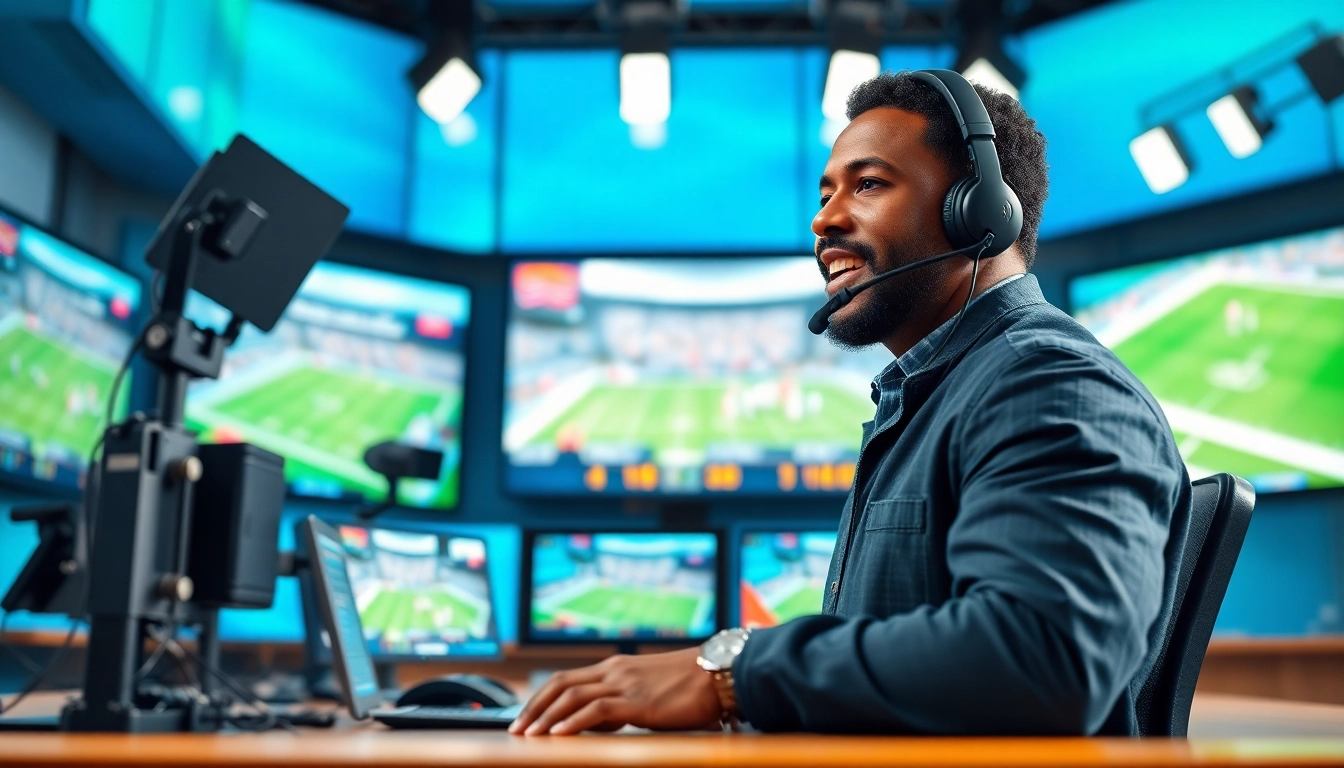
Understanding the Basics of Sports Broadcasting
What is Sports Broadcasting?
Sports broadcasting refers to the distribution and dissemination of sports events through various forms of media, including television, radio, and digital platforms. This process not only involves the live telecasting of games but also encompasses news coverage, commentary, analysis, and related programming. Professionals in the field strive to deliver exciting and informative content that captures the essence of athletic competition and keeps fans engaged. Today's sports broadcasting landscape is a dynamic mix of real-time updates and interactive viewer experiences, making the role of broadcasters more essential than ever, especially for those involved in Sports Broadcasting.
History and Evolution of Sports Broadcasting
Sports broadcasting has greatly evolved since its inception in the early 20th century. The first radio broadcast of a sports event was conducted in 1921, featuring a boxing match. Shortly after, the 1936 Berlin Olympics became the first major event broadcast on television, showcasing an array of sports to the public. Over the decades, technological advancements such as color television, satellite broadcasting, and, most recently, streaming services have transformed how sports reach audiences. The introduction of digital platforms has led to a significant increase in consumer access to live sports, prompting broadcasters to rethink their strategies for reaching viewers.
Key Technologies Used in Sports Broadcasting
The seamless delivery of live sports content relies on multiple technologies. High-definition cameras capture the action from various angles, providing immersive viewing experiences. Graphics and analytics tools enhance storytelling by delivering real-time statistics and player information. Drones equipped with cameras bring aerial perspectives to the coverage, while mobile applications offer fans a way to engage with content on-the-go. Furthermore, cloud computing supports the storage and distribution of vast amounts of broadcasting data, ensuring quick access to content across multiple platforms.
Essential Skills for Sports Broadcasters
Communication Skills for Effective Broadcasting
Effective communication is the cornerstone of successful sports broadcasting. Broadcasters must articulate complex plays and game strategies in a way that is understandable to the average viewer. They should possess an engaging voice and pacing that resonates with the audience, making each moment of the game thrilling. Additionally, they should develop strong interpersonal skills, as interaction with co-hosts, analysts, and athletes during interviews is crucial for creating engaging narratives and maintaining the viewers’ interest.
Technical Skills in Sports Broadcasting
With the rise of new technologies, sports broadcasters must also acquire a vital set of technical skills. Familiarity with broadcast equipment, such as cameras, microphones, and streaming tools, is essential. Broadcasters might also need to manage broadcast software for editing or graphic creation. Understanding the technical aspects allows professionals to troubleshoot issues on-the-fly, ensuring uninterrupted coverage during live events. Knowledge of social media platforms and analytics is equally important, as it can aid in expanding their reach and refining their content strategies.
Research and Preparation Techniques
Preparation is key in sports broadcasting. Successful broadcasters dedicate time to research teams, player statistics, injury updates, and relevant historical data. Pre-game analysis helps them build potential storylines, which can create a more engaging viewing experience. During broadcasts, keeping up with the rapid pace of events is essential. Therefore, broadcasters should develop skills to quickly synthesize information while maintaining a live dialogue, ensuring viewers remain informed and entertained.
Challenges Faced in Sports Broadcasting
Adapting to Rapid Technology Changes
The fast-paced nature of technological advancements can present challenges for sports broadcasters. They need to stay up-to-date with the latest tools and methods of distribution to maintain competitive accessibility. Moreover, the transition from traditional broadcasting to digital platforms requires adaptability and openness to learning new technologies, which can be daunting for seasoned professionals comfortable with classic broadcasting techniques.
Managing Unexpected Situations During Live Events
Live sports events can be unpredictable, often leading to unexpected situations such as technical glitches, player injuries, or unexpected outcomes. Broadcasters must be trained and experienced in handling these interruptions, maintaining composure while providing viewers with insightful commentary and updates. Quick thinking and the ability to pivot when things go off-script are critical skills for all sports broadcasters, whether they're working in the studio or on the field.
Staying Relevant in a Competitive Market
With the constant influx of new content creators and platforms willing to cover sports, staying relevant becomes a perennial challenge. Broadcasters need to differentiate themselves by developing unique programming, engaging storytelling techniques, and establishing a personal brand. Establishing strong connections with viewers through actionable engagement—like audience polls or social media interactions—can better solidify their standing in an increasingly crowded marketplace.
Best Practices for Engaging Audiences
Strategies for Captivating Viewers
Captivating an audience in sports broadcasting requires a deep understanding of the demographics and interests of viewers. Broadcasters should craft compelling narratives around games, focusing on player backstories, rivalries, and significant moments. Utilizing innovative formats, such as behind-the-scenes coverage or player interviews, can enhance viewer engagement. Regularly encouraging viewer interaction and feedback during live broadcasts creates a sense of community and keeps audiences engaged.
Building a Personal Brand as a Broadcaster
In today’s digital age, creating a personal brand is essential for sports broadcasters. Developing a unique voice and on-air persona allows professionals to connect with their audience on a personal level. Consistency across platforms—whether in broadcasting style or social media presence—helps establish credibility. Broadcasters should also engage with fans and use social media to showcase their individualism, fostering loyalty among audiences and creating more meaningful connections.
Utilizing Social Media for Audience Interaction
Social media is a powerful tool for sports broadcasters to promote their work and engage with fans. Maintaining an active presence on platforms like Twitter, Instagram, and Facebook enables broadcasters to share insights, celebrate highlights, and even conduct live Q&A sessions. By actively participating in discussions and responding to viewer comments and feedback, broadcasters can cultivate a closer relationship with their audience, leading to increased viewership and loyalty.
The Future of Sports Broadcasting
Emerging Trends and Innovations
The sports broadcasting sector is undergoing rapid transformation, influenced by emerging technologies such as augmented reality (AR), virtual reality (VR), and artificial intelligence (AI). Enhanced viewing experiences through AR can provide interactive statistics overlaid on the screen, while VR offers immersive experiences that transport viewers into the game itself. As fan expectations evolve, sports broadcasters will need to integrate these technologies to stay relevant and maintain viewer engagement.
Impact of Streaming Services on Sports Broadcasting
The rise of streaming services has altered the traditional broadcasting landscape significantly. More viewers are consuming sports content through subscription-based platforms, leading broadcasters to explore new partnerships and distribution methods. This change requires sports media to diversify their revenue streams, potentially offering exclusive content to subscribers or pioneering innovative sponsorship deals. For sports broadcasters, embracing this shift will be crucial for survival and growth.
Preparing for the Next Generation of Viewers
As millennials and Gen Z become dominant consumer segments, understanding their viewing habits is essential. These generations prefer on-demand content, interactive and personalized viewing experiences, and diverse formats. Sports broadcasters must adapt by creating content that resonates with younger viewers and by incorporating interactive features, such as social media engagement, gamification, and emerging technologies like AI that provides personalized recommendations based on viewing habits.
Frequently Asked Questions
What qualifications do I need to become a sports broadcaster?
A degree in broadcast journalism, communications, or a related field is beneficial. Experience through internships, as well as strong communication and technical skills, are vital for success.
How do sports broadcasters prepare for live events?
Preparation involves extensive research, including player statistics, team lineups, historical data, and storyline development to enhance viewer engagement during the broadcast.
What are the most common challenges in sports broadcasting?
Common challenges include adapting to fast-paced technological changes, handling unexpected situations during live events, and remaining relevant in a saturated market.
How important is social media for sports broadcasters?
Social media is crucial for engaging audiences, promoting broadcasts, and offering real-time updates. It allows broadcasters to connect with fans and build a personal brand.
What is the future of sports broadcasting?
The future of sports broadcasting will be shaped by emerging technologies, especially AR and VR, alongside the rise of streaming services and changing viewer preferences for personalized content.