Understanding Window Tinting
What is Window Tinting?
Window tinting involves the application of a thin film to the glass surfaces of vehicles, homes, and commercial buildings to reduce glare, improve privacy, and enhance aesthetic appeal. The process can involve dyed, metallic, or ceramic films that modify the way sunlight enters a space. The result is a controlled environment that can significantly enhance comfort, reduce energy costs, and even protect interior furnishings from fading.
Benefits of Window Tint
The advantages of window tinting go beyond mere aesthetics. Notably, it can enhance your vehicle's or building's energy efficiency by reflecting solar heat, which in turn can lower air conditioning costs. Furthermore, the film serves as a barrier against dangerous UV rays, shielding occupants and reducing skin cancer risks. Window tinting also provides increased privacy; without sacrificing visibility from the inside, it makes it difficult for outsiders to see in. Additionally, the films can add a layer of security, as they help hold shattered glass together in the event of breakage, potentially deterring theft and vandalism. For those seeking the best window tint Chattanooga TN, all these factors make tinting a worthwhile investment.
Types of Window Tint Films
There are several types of window tint films, each with its unique features and benefits:
- Dyed Window Tint: This type offers color without any reflective qualities, making it affordable. It provides privacy and blocks some UV rays.
- Metalized Window Tint: Made with metallic particles, this film blocks UV rays and reflects heat but may interfere with radio signals.
- Ceramic Window Tint: Known for its superior heat rejection and UV filtering capacity without compromising visibility, this film is more expensive but offers exceptional performance.
- Hybrid Window Tint: This combines dyed and metalized films, offering a blend of features—better heat rejection and UV filtering at a moderate price.
Choosing the Best Window Tint Chattanooga TN
Color and Shade Options
When it comes to window tinting, color and shade can significantly influence both aesthetics and functionality. In Chattanooga, the options range from light to dark shades, each offering different levels of light transmission and proportionate privacy. Lighter tints can maintain visibility while blocking a significant amount of glare, making them ideal for drivers seeking comfort without sacrificing safety. Darker tints provide a stronger privacy advantage but can lead to issues with visibility during nighttime driving. It's essential to choose a shade that complies with local regulations while fitting personal preferences and practical needs.
UV Protection and Safety Features
The protective capabilities of window tint are one of its most crucial features. A quality window film can block up to 99% of harmful ultraviolet rays, which are known to cause skin damage and contribute to the degradation of interior furnishings. This protective feature becomes particularly pertinent in regions like Chattanooga, which experience significant sunlight throughout the year. Moreover, many films are designed to enhance the safety of the glass by holding shards together in case of an accident or breakage, thus reducing the risk of injury. When selecting the best window tint in Chattanooga, TN, ensuring these protective qualities are included in the film's specifications is vital.
Local Regulations in Chattanooga
Before proceeding with window tinting, it is crucial to understand local regulations pertaining to tinting. Chattanooga, TN, has specific laws that govern how dark or reflective a tint can be, which are enforced to ensure drivers maintain safe visibility. For instance, the front windshield is regulated to allow a certain percentage of visible light transmission while side and rear windows can accommodate darker shades. Familiarity with these regulations not only ensures compliance but also prevents costly removal or reapplication of non-compliant films. Consulting local regulations before choosing a tint is advisable to avoid fines or other issues.
Window Tinting Installation Process
Preparing Your Vehicle
Proper preparation is the cornerstone of effective window tint installation. Before beginning, ensure the vehicle's windows are clean and free of any dirt, debris, or residue, as these can affect adhesion and final appearance. Lay out all necessary materials—including the window film, cutting tools, applicator, and cleaning supplies. Also, consider the temperature and humidity of the environment; these factors can have a significant effect on the installation process, as too cold or too humid conditions can result in improper application.
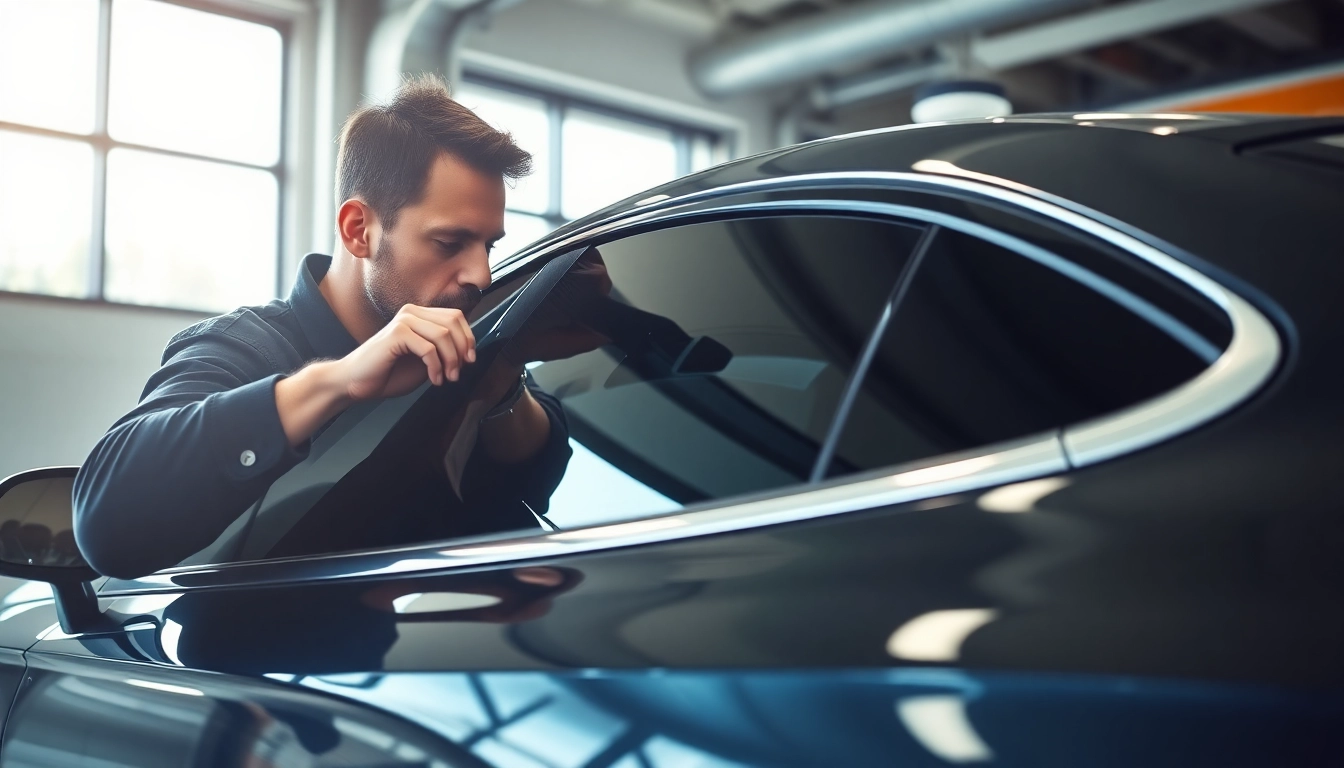
Professional Installation Steps
The professional installation process typically includes several key steps:
- Measurement: Accurate measurements of the windows to determine the amount of film needed.
- Cutting: The film is then cut to size, ensuring precise dimensions to avoid gaps.
- Applying the Film: The film is moistened with a solution, allowing for easier positioning on the glass surface.
- Heat Application: Using a heat gun, the film is shrunk and molded to fit snugly against the window.
- Final Inspection: Inspecting the installation for any imperfections or bubbles and ensuring a smooth finish.
Common Mistakes to Avoid
While DIY window tinting might seem appealing, it often leads to common pitfalls such as:
- Improper Cleaning: Not cleaning the glass thoroughly can lead to bubbles and diminished adhesion.
- Incorrect Cutting: Cutting the film too short or too long can result in an unsightly finish or the need for reinstallation.
- Ignoring Temperature: Applying film in extreme weather can affect adhesion and performance.
Hiring professionals can mitigate these risks and ensure a high-quality installation.
Maintaining Your Window Tint
Cleaning and Care Tips
Post-installation care is vital for preserving the quality and appearance of your window tint. Avoid using ammonia-based cleaners, as these can break down the tint over time. Instead, opt for mild cleaning solutions and a soft microfiber cloth to gently wipe the glass. It’s standard practice to wait at least a week after installation to clean the tinted windows to ensure proper adhesion. Regular cleaning can prevent dirt build-up while maintaining a clear view through the windows.
Signs of Damage
Window tint can exhibit signs of wear or damage, including bubbling, peeling, or discoloration. If you notice bubbles appearing, it may indicate that the film is not adhering properly, potentially necessitating repair or replacement. Similarly, if the tint begins to fade or change color, it may be an indication of low-quality film or ineffective UV protection. Regular inspections can help catch these issues early, ensuring your investment remains protected.
How to Handle Repairs
Handling repairs promptly can save you from more expensive replacements in the long run. For small bubbles, gently pressing down with a soft cloth may eliminate air trapped underneath. For larger sections of peeling or damage, professional reinstallation may be necessary to restore the window's appearance. Always consult with a certified technician for the best approach to maintain your tinted windows.
Frequently Asked Questions
How long does window tint last?
Quality window tint can last anywhere from 5 to 15 years, depending on the type of film and environmental conditions. Regular maintenance can extend its lifespan.
Can I remove window tint myself?
While it's possible, removing window tint yourself can be labor-intensive and may damage the glass if not done correctly. Professional removal is recommended for best results.
Is darker tint better?
Darker tints offer more privacy and heat rejection but can impair visibility, particularly at night. The best choice depends on individual needs and local regulations.
Does window tint reduce heat?
Yes, quality window tint significantly reduces heat by reflecting solar rays, contributing to increased comfort in vehicles and homes while also lowering cooling costs.
Are there warranties for window tint?
Many window tinting services offer warranties that cover peeling, bubbling, or discoloration for a specific period. Always check warranty details before making a purchase.